
Tips on Being Resourceful to Save Money During the Packing and Moving Process
Moving doesn’t have to drain your wallet. In this guide, we break down practical, real-world strategies to help you stay resourceful throughout the packing and moving process. From using items you already own to finding free supplies and avoiding unnecessary purchases, these tips are designed to help you move smarter—not harder.
4/13/20263 min read
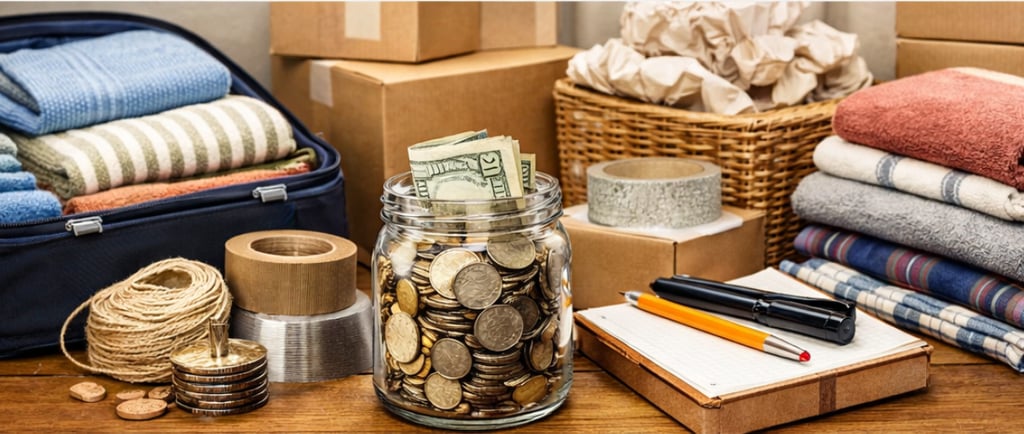

Moving can get expensive—fast.
Between boxes, supplies, truck rentals, and unexpected costs, it’s easy to feel like money is slipping through your fingers. But here’s the truth most people overlook:
You don’t need more money—you need more resourcefulness.
With a little creativity and planning, you can cut costs significantly without cutting corners. Let’s break down practical, real-world ways to save money during your move.
1. Use What You Already Have
Before you buy a single box or roll of tape, take inventory of what’s already in your home.
You’d be surprised how much packing material you already own.
Think outside the box (literally):
Suitcases → heavy items like books
Laundry baskets → loose or bulky items
Storage bins → already designed for moving
Backpacks/duffel bags → essentials and valuables
Use soft items as protection:
Towels → wrap dishes and fragile items
Blankets → cushion furniture
Clothing → fill empty space in boxes
👉 This alone can save you hundreds on packing supplies.
2. Get Free (or Cheap) Boxes
Buying brand new boxes adds up quickly—and it’s often unnecessary.
Where to find free boxes:
Grocery stores
Liquor stores (great for sturdy, smaller boxes)
Facebook Marketplace / Craigslist
Local recycling centers
U-haul corporate locations often times have a used boxes bin(this is typically at locations that also have a Storage building on site.
Pro tip:
Look for uniform box sizes when possible—they stack better and make loading the truck easier.
3. Don’t Overbuy Packing Supplies
It’s easy to go overboard at the store.
Instead, focus on what you actually need:
A reasonable mix of box sizes
Packing paper (not excessive bubble wrap)
Strong tape
Skip or minimize:
Fancy specialty boxes (unless absolutely needed)
Excess bubble wrap
Overpriced “moving kits”
👉 Resourceful packing beats expensive packing every time.
4. Pack Efficiently to Save Time (and Money)
Time = money—especially if you’re renting a truck or paying movers by the hour.
Smart packing habits:
Fill boxes completely (no wasted space)
Keep items organized by room
Label clearly to avoid delays
The more efficient your packing, the faster your move—and the less you’ll spend.
5. Disassemble and Prep Ahead of Time
Waiting until moving day to take apart furniture is a costly mistake.
Do this in advance:
Remove bed frames, table legs, etc.
Bag and label hardware
Wrap parts so they’re ready to go
👉 Every minute you save on moving day helps reduce labor time or rental costs.
6. Be Strategic with Your Moving Date
Timing can make a huge difference in cost.
Try to avoid:
Weekends
End-of-month rush
Peak moving seasons (spring/summer)
Instead, aim for:
Weekdays
Mid-month moves
You’ll often find lower rates and more availability.
7. Share or Split Resources When Possible
If you know someone else who’s moving around the same time, get creative.
Ideas:
Split the cost of packing supplies
Share leftover boxes
Coordinate truck usage (if it makes sense)
Even small shared expenses can add up to meaningful savings.
8. Keep Your Move Organized
Disorganization costs money—plain and simple.
Lost items, wasted time, and confusion all slow things down.
Stay on track by:
Keeping a running checklist
Grouping boxes by room
Setting a simple moving-day plan
The smoother your process, the fewer surprises you’ll run into.
9. Know When to Spend (and When Not To)
Being resourceful doesn’t mean being cheap—it means being intentional.
There are moments where spending a little more can actually save you money:
Hiring help for heavy lifting to avoid damage
Buying quality tape that won’t fail mid-move
Using proper protection for valuable items
👉 The goal isn’t to spend nothing—it’s to spend wisely.
10. Think Like a Problem Solver
At its core, resourcefulness is a mindset.
Instead of asking:
“What do I need to buy?”
Start asking:
“What can I use, reuse, or repurpose?”
That one shift in thinking can transform your entire moving experience.
Final Thoughts
Saving money during a move isn’t about cutting corners—it’s about working smarter with what you already have.
When you combine:
Preparation
Creativity
Efficient execution
…you create a moving process that’s not only more affordable, but also more controlled and less stressful.
And the best part?...
These are skills you can carry with you long after the move is over.
Support
© 2025. All rights reserved.